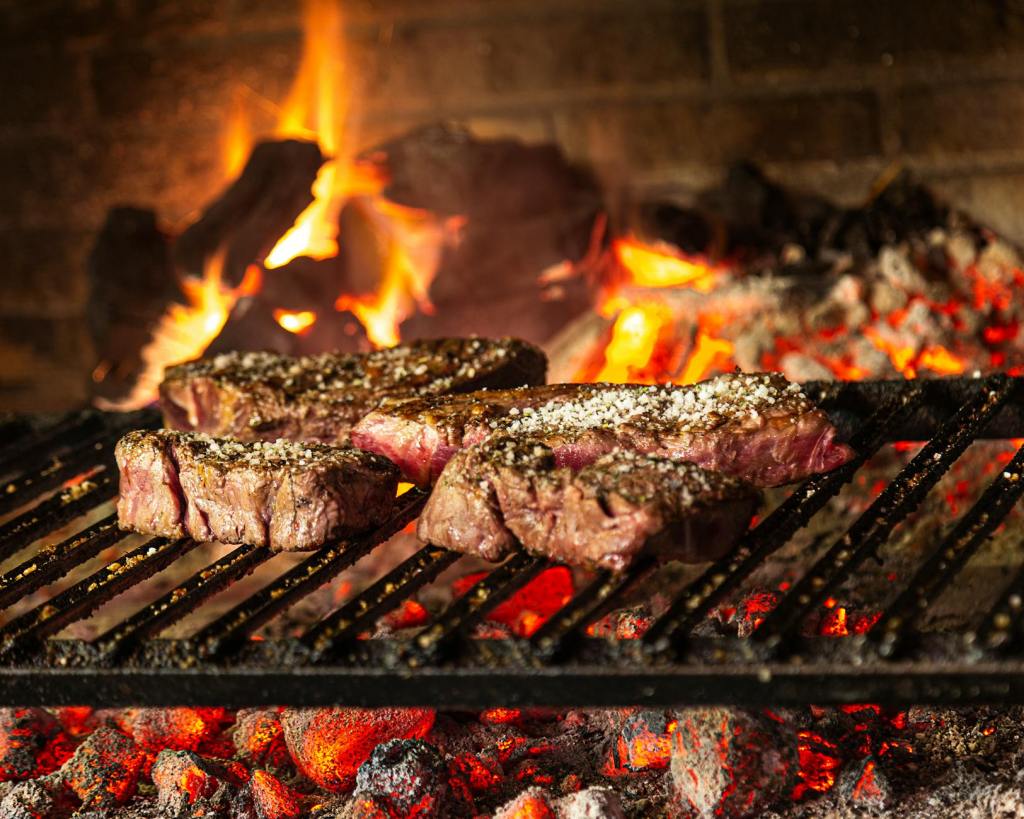


The question of whether eating meat makes someone “inferior” misses the deeper truth: humans have always relied on animals for survival, and our relationship with meat is rooted in biology, culture, and history.
Humans have always been a hunter folk. Animals have always been prey to us because we depended on their meat to survive. However, “Times they are a-changin’,” as Bob Dylan once described so perfectly. Nowadays we don’t necessarily need to eat meat in order to survive. Nevertheless, quality meat has incredible nutritional value, which we can hardly find in a plant-based diet. Thus, I think the incorporation of meat in our diets is very important, especially for children.
I would define my own meat consumption as above average. But as a 90-kg male who practices sports every day, my meals must regularly include beef, pork, or chicken. These are great—if not the best—sources of natural protein, healthy fats, minerals, as well as vitamins. Of course, I’m aware of the fact that vegetarian dishes can have similar nutritional value. That is why I try to eat meat only every second day and prepare healthy plant-based dishes as often as I can (e.g., chickpeas, beans, veggies, rice, etc.).
If we kill animals for their meat, it is our duty to use every single part of them. Unfortunately, that is not the case in our society. The seemingly “bad parts,” like organs or cuts with less tender meat, often end up in the trash bin. We need to go back to making bone broth, a delicious cow liver dish, or taking the time to cook stews with the tough parts. In relearning all the great cooking skills and techniques, I believe we can make a difference—for our planet, for the well-being of animals, and for ourselves.
In the end, mindful meat consumption isn’t just about food—it’s about respect, sustainability, and living with greater intention.

Leave a comment